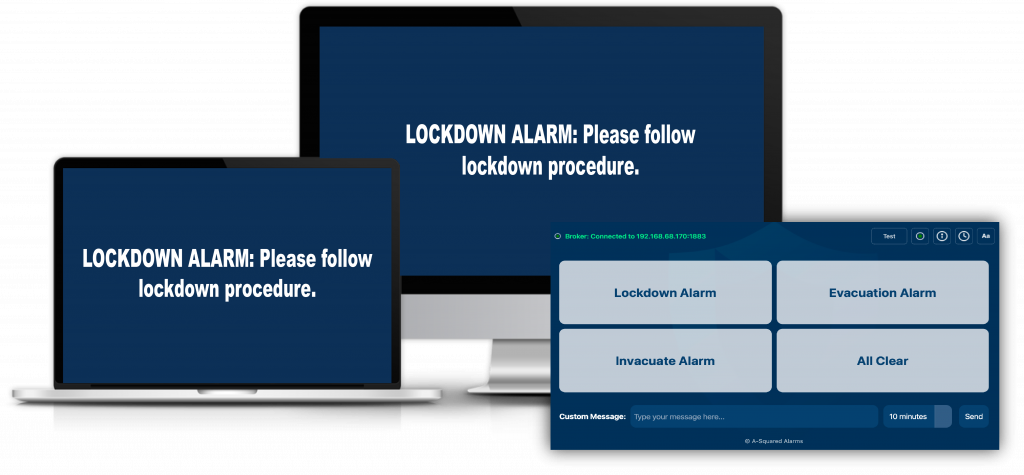
This is where modern, lightweight, digital solutions demonstrate their value. PopAlert® is specifically designed to provide powerful communication without the need for costly infrastructure. Because it runs on existing school or venue networks, it avoids the heavy installation costs associated with hardwired systems. There are no batteries to replace, no wall-mounted units to maintain and no ongoing hardware servicing fees. This makes it far more accessible for organisations that want to strengthen safety without overspending.
The true cost advantage becomes clear when considering the potential consequences of poor communication. In a real emergency, confusion can spread quickly. Staff may not know whether to evacuate or lock down, some may not hear a traditional alarm, and others may receive incomplete or delayed information. These gaps create chaos — and chaos leads to mistakes. A system like PopAlert eliminates that risk by delivering full-screen, unavoidable instructions to every connected device instantly. It ensures that all staff receive the same message at the same moment, enabling coordinated action and reducing the chances of error.
Martyn’s Law reinforces the idea that preparedness is no longer optional. While some organisations worry about cost, the legislation is designed to encourage proportionate measures that improve protection without unnecessary expense. Affordable, reliable systems like PopAlert meet this requirement perfectly. They give organisations the ability to upgrade their emergency communication quickly, easily and at a fraction of the price of hardware-heavy alternatives. And when paired with solutions like Alertex for external coverage, the result is a complete, multi-layered safety environment that still remains cost-effective.
Ultimately, the real question is not “Can we afford to invest in safety?” but “Can we afford not to?” Emergencies may be rare, but when they occur, the organisations that are prepared respond calmly, confidently and effectively — protecting people and minimising disruption. Those without a reliable communication system face far greater risks, both during the incident and in the difficult aftermath.
PopAlert® offers a modern, affordable way to strengthen emergency readiness without the financial burden of traditional systems. It gives schools and public venues the ability to meet the expectations of Martyn’s Law, improve safeguarding and create a safer environment — all while prioritising budget efficiency. Safety doesn’t have to be expensive. But failing to prepare always is.